
Vitamin A is a fat-soluble micronutrient that is essential for maintaining health, vitamin A has many functions in the human body in fact it is known to be one of the most multifunctional vitamins in humans (16). The most common and well-known function is the maintenance of eye health it is also responsible for providing the eye with the ability to absorb light even in low light situations such as night-time, this is why your parents told you to eat carrots so you can see in the dark (11).
Vitamin A also plays an important role in maintaining the function of our immune system in both innate and adaptive immunity, it has been found to enhance defence against multiple infectious diseases in fact it is thought that vitamin A, C and E could slow the progression of AIDS by inhibiting oxidative stress, however, more studies are required (7). Other functions include gene expression, organ, and skeletal maturation, antioxidant function, and cell differentiation (11).
The recommended daily allowance (RDA) of vitamin A is 300-600 mg for children, 900 mg for men, and 700 mg for women however, during pregnancy this increases to 750 mg a day and increases even further during lactation to 1300 mg. On supplements such as multi-vitamin tablets you may see RE next to vitamin A, this means retinol equivalents which is what vitamin A levels are expressed as, 1 mg RE equals 1 mg of retinol, 6 mg of b-carotene, and 12 mg of other provitamins A carotenoids. Due to being a fat-soluble vitamin an excess intake of vitamin A can be toxic, if the intake is 7500-9000 mg over a prolonged period by an adult and even less for a child then this can cause toxic effects in the skin, liver, and central nervous system (CNS) (4). However, this is rare as the liver can store a large capacity of vitamin A which can be used later when intake is low or to mitigate toxic effects when intake is high (17).
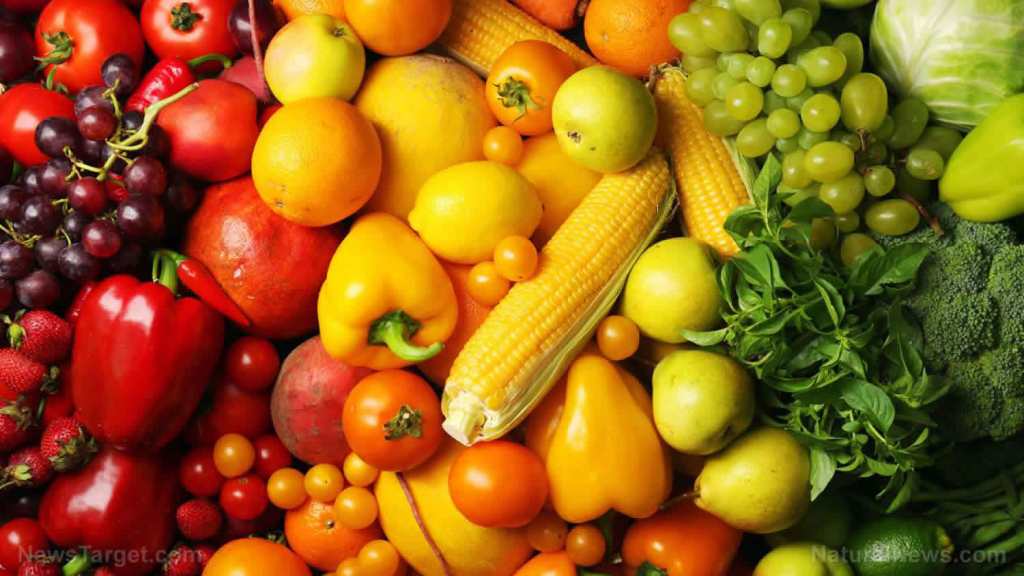
Vitamin A has to be obtained through the diet in humans and mammals, however, can also be metabolised through the consumption of provitamin A carotenoids (12). Good sources of preformed vitamin A can be found in animal products such as liver, milk, and eggs (17). The term vitamin A refers to provitamin A, carotenoids, and all-trans-retinol or preformed vitamin A (4). Retinol and its active metabolites can only be found in animal products such as liver, milk, and eggs all of which are good sources of preformed vitamin A (16). Carotenoids are split into provitamin A and non-provitamin A carotenoids. Provitamin A carotenoids can be metabolised to retinol, non-provitamin A carotenoids cannot. There are over 700 carotenoids that have been discovered in nature however only around 30 have been found to be provitamin A, the most common provitamin A carotenoids found in the human diet are alpha-carotene (a-carotene), beta-carotene (b-carotene), and beta-cryptoxanthin (b-cryptoxanthin) with b-carotene being the most effective at converting to retinol (1). Carotenoids can be found in orange/yellow/red coloured fruits and vegetables such as carrots, mango, pumpkin and peppers but can also be found in dark green leafy vegetables (13). Non-provitamin A carotenoids are not exactly useless to us, the most common non-provitamin A carotenoids in the human diet are Lycopene, Lutein and Zeaxanthin. Lycopene is found highest in tomatoes and tomato products, a diet high in tomato consumption has been associated with a 30% reduction in cardiovascular disease (CVD) (15). Lutein and Zeaxanthin are found highest in concentration in green leafy vegetables such as collards, spinach and kale but can also be found in yellow colour plants such as corn (14, 8). These two carotenoids work together and are thought to protect against chronic disease, but stronger evidence is shown in the benefits they have towards eye health (8). The two carotenoids function in the area of the retina as antioxidants to protect against damage caused by light exposure and UV-light (9). Due to this protection against UV light, it is thought they could help against skin damage as due to dietary intake these carotenoids can also be found in the skin, studies have shown that in animals’ ingestion of lutein and zeaxanthin helped protect against skin swelling and hyperplasia caused by UV exposure, however, more human studies are required (9). This shows the importance of non-provitamin A carotenoids can have in the human body and would be suggested to consume regularly.
There is no RDA available for carotenoids and are considered non-toxic for example b-carotene has been discovered to be non-toxic as a high intake of b-carotene was found able to be tolerated in humans (6). Side note, b-carotene in studies has been found to reduce lung cancer risks, although it should be noted that other studies found long term high intake of b-carotene in smokers was found in some studies to increase lung tumour rates (5). That being said this is very rare as high intake can be tolerated in humans. Vegans prove this as vitamin A levels are achieved only through provitamin A carotenoid intake and achieve sufficient vitamin A intake with no issues of overconsuming carotenoids (2).
Absorption of vitamin A is better, as with all fat-soluble vitamins, with dietary intake of fat. Preformed vitamin A is better absorbed (90%) than provitamin A carotenoids (5%-60%) however, absorption can be increased by using heating techniques for example steaming has been found to increase the amount of b-carotene absorbed (10). Absorption of carotenoids can be affected if the person consumes too much carotene absorption efficacy is decreased, which is why humans can handle a high intake of carotenoids, too little carotene present in the body can also affect absorption (3). Other factors include stress, intestinal or liver disease, iron and zinc status etc. (16).
According to the world health organisation (WHO), blood concentrations of retinol under 0.70 mmol/L indicates subclinical deficiency and concentrations of 0.30 mmol/L indicates severe deficiency. Vitamin A deficiency (VAD) is a major issue in poorer countries, especially in Southeast Asia. VAD can increase the risk of severity and even death in childhood diseases such as measles and diarrhoea, with more severe VAD causing visual impairment such as night blindness and other eye-related diseases such as cataracts (11, 13). Babies are born with low vitamin A levels, therefore, require intake through breast milk, this is an essential nutrient for humans therefore consuming a variety of foods in a well-balanced diet is important for maintaining human health and everyday function.
- Everything You Need to Know About Vitamin C
- Vitamin D and the Winter Months
- Everything You Need to Know About Vitamin K
- The Mediterranean Diet
- Everything You Need To Know About Vitamin E
References
- Bohn, T. (2017) ‘Carotenoids, Chronic Disease Prevention and Dietary Recommendations’. International Journal for Vitamin and Nutrition Research, 87(3-4) pp.121-130.
- Desmarchelier, C. and Borel, P. (2017) ‘Overview of carotenoid bioavailability determinants: From dietary factors to host genetic variations’. Trends in Food Science & Technology, 69 pp.270-280.
- Dutta, D., Chaudhuri, U. and Chakraborty, R. (2005) ‘Structure, health benefits, antioxidant property and processing and storage of carotenoids’. African Journal of Food, Agriculture, Nutrition and Development, 4(13) pp.1510-1520.
- Geissler, C. and Powers, H. (2011) Human nutrition. 12th ed. New York: Oxford University Press, pp.225-231.
- Goralczyk, R., (2009). ß-Carotene and Lung Cancer in Smokers: Review of Hypotheses and Status of Research. Nutrition and Cancer, 61(6), pp.767-774.
- Gul, K., Tak, A., Singh, A., Singh, P., Yousuf, B. and Wani, A., (2015). Chemistry, encapsulation, and health benefits of β-carotene – A review. Cogent Food & Agriculture, 1(1), p.1018696.
- Huang, Z., Liu, Y., Qi, G., Brand, D. and Zheng, S., 2018. Role of Vitamin A in the Immune System. Journal of Clinical Medicine, 7(9), pp.258-274.
- Mares-Perlman, J., Millen, A., Ficek, T. and Hankinson, S., (2002). The Body of Evidence to Support a Protective Role for Lutein and Zeaxanthin in Delaying Chronic Disease. Overview. The Journal of Nutrition, 132(3), pp.518S-524S.
- Roberts, R., Green, J. and Lewis, B., 2009. Lutein and zeaxanthin in eye and skin health. Clinics in Dermatology, 27(2), pp.195-201.
- Rodriguez-Concepcion, M., Avalos, J., Bonet, M., Boronat, A., Gomez-Gomez, L., Hornero-Mendez, D., Limon, M., Meléndez-Martínez, A., Olmedilla-Alonso, B., Palou, A., Ribot, J., Rodrigo, M., Zacarias, L. and Zhu, C. (2018) ‘A global perspective on carotenoids: Metabolism, biotechnology, and benefits for nutrition and health’. Progress in Lipid Research, 70 pp.62-93.
- Saeterdal, I., Mora, J. and De-Regil, L. (2012) ‘Fortification of staple foods with vitamin A for preventing vitamin A deficiency’. Cochrane Database of Systematic Reviews.
- Semba, R. and Bloem, M. (2008) Nutrition and Health in Developing Countries. 2nd ed. Parsippany, NJ: Human Press, pp.377-433.
- Sommer, A. (2001) ‘Vitamin A Deficiency’. Encyclopedia of Life Sciences.
- Sommerburg O, Keunen J, Bird A, van Kuijk F. (1998) Fruits and vegetables that are sources of lutein and zeaxanthin: the macular pigment in human eyes. Br J Ophthalmol; 82:907-10.
- Tanumihardjo, S., Palacios, N. and Pixley, K. (2010) ‘Provitamin A Carotenoid Bioavailability: What Really Matters?’. International Journal for Vitamin and Nutrition Research, 80(45) pp.336-350
- Thies, F., Mills, L., Moir, S. and Masson, L., 2016. Cardiovascular benefits of lycopene: fantasy or reality?. Proceedings of the Nutrition Society, 76(2), pp.122-129.
- Timoneda, J., Rodríguez-Fernández, L., Zaragozá, R., Marín, M., Cabezuelo, M., Torres, L., Viña, J. and Barber, T. (2018) ‘Vitamin A Deficiency and the Lung’. Nutrients, 10(1132) pp.1-29.
 Evidence Based Nutrition
Leave a comment