
Introduction
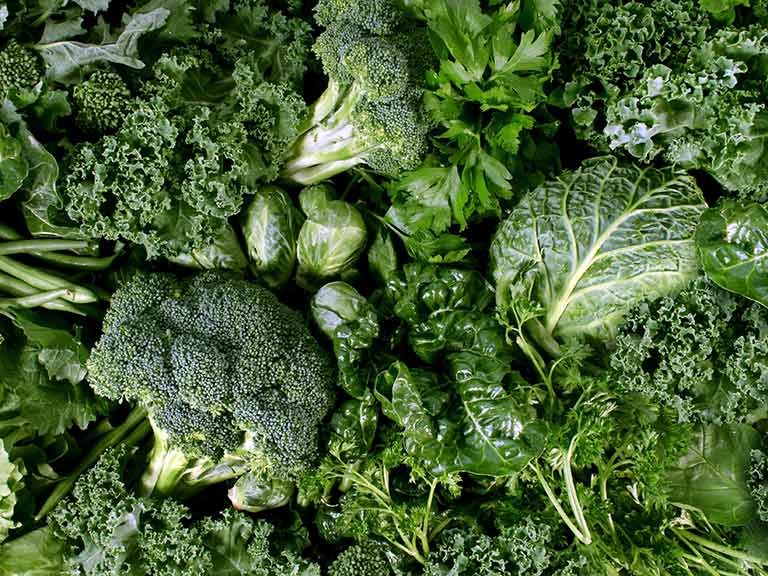
Vitamin K is a fat-soluble vitamin but was not described as an essential nutrient until the 1930s when Dam found chickens fed a fat-free diet developed bleeding diathesis (2, 15). Dam ruled out cholesterol as the missing factor by 1935 and named vitamin K which was previously unknown as the missing factor (15). Vitamin K was named K due to not only as the only available unused letter but also after the German word koagulation (coagulation) as it is known for coagulation of the blood hence vitamin K (14). Vitamin K is not a single compound but is a term for many similar compounds that have similar functions in the body (14). There are 2 most common naturally occurring K vitamins found in the human diet Phylloquinone or vitamin K1 and Menaquinone also known as vitamin K2 (7). Vitamin K1 is found in plants mainly green leafy vegetables such as kale, spinach, broccoli and brussel sprouts but can also be found in some vegetable oils such as soya and rapeseed oil therefore it is more vegan friendly (7, 15). Vitamin K2 however can be found mostly in animal products such as liver, milk, cheese and egg yolks but I say mostly as it can also be found in the traditional Japanese dish natto which is fermented soybeans (5). There are many more foods from which you can get vitamin K1 than you can vitamin K2 which is why most of your vitamin K intake will come from these plant-based foods in the form of K1. The recommended dietary allowance (RDA) for vitamin K is set at different levels at different ages and is recommended in micrograms (mg).
– From birth to 6 months 2mg
– 7-12 months 2.5mg
– 1-3 years 30mg
– 4-8 years 55mg
– 9-13 years 60mg
– 14-18 years 75mg
– Adult men 19 years+ 120mg
– Adult women 19 years+ 90mg
– Pregnant or breastfeeding teens 75mg
– Pregnant or breastfeeding women 90mg
Although lately some researchers believe that vitamin K1 and K2 should each have individual recommended intakes as the RDA was set from early research over a century ago (1).
Benefits
Vitamin K is best known for the role it has in activating blood clotting factors to prevent us from bleeding out early studies found lack of vitamin K can lead to increase susceptibility to bleeding and bruising known as bleeding diathesis (13, 15). It has also been found that vitamin K is essential for the activation of various proteins that are important in vascular and bone health (12). One of those proteins is osteocalcin which is involved in bone mineralisation therefore it is believed that it is important in the treatment of osteoporosis diathesis (13). Therefore, vitamin K works with vitamin D and Calcium to promote bone health through increasing bone metabolism and density (16). Vitamin K has also shown positive effects on calcium balance proving higher calcium retention and decreased excretion of calcium in diets rich in vitamin K (16). Another protein activated by vitamin K is the matrix Gla protein (MGP) which protects a wide variety of soft tissues from calcification (13). As you get older calcium will make its way into your bloodstream however vitamin K comes to the rescue and takes it back to the bones via the use of the proteins MGP and osteocalcin, (1) another use of the pairing up of calcium and vitamin K (13). A study supplementing 5mg of vitamin K1 daily to 440 postmenopausal women with osteopenia for 2 years caused a 50% reduction in fractures versus placebo (5). A meta-analysis also showed that supplementation with 45mg of vitamin K2 a day reduced hip fractures by 77%, vertebral fractures by 60%, and non-vertebral fractures by 81% (5). Other potential benefits include the prevention of some cancers, coronary heart disease, diabetes, age-related macular degeneration and improvements in insulin sensitivity (7, 5).
Deficiency
Vitamin K deficiency is not that common in human adults however signs of deficiency mostly involve an impaired function in the clotting from bleeding whether that is on the surface of the skin or under the skin or even internally, lack of vitamin K can cause a person or animal to bleed out (14). Low intake of vitamin K is also a risk factor for hip fractures this Is most likely to occur in the elderly, a study has shown that women with an intake of 109 mg of vitamin K daily had a 30% reduced risk of hip fractures when compared to a woman with an intake of less than 109 mg (7). There is evidence that newborn infants show vitamin K deficiency however this is not enough to cause severe deficiency effects, but this can worsen within the first few days after birth for the baby (17). Elevating the vitamin K levels in the blood of the mother while pregnant can prevent these deficiency problems early at birth as well as giving the infant a prophylactic of vitamin K at birth reduces this risk (17). Breast milk is low in vitamin K compared to cow’s milk or formula so may not be sufficient enough to correct the deficiencies of the newborn which is why supplementing the mother or child is the go-to option for preventing vitamin K deficiency early on (6).
Although it is uncommon deficiency in adults still may happen usually due to drugs such as warfarin as this inhibits vitamin K and can interrupt the cycle which prevents the activation of the blood coagulation factors (11). Those on warfarin could therefore have an increase in calcification of the arteries due to the negative effects it has, this is why before starting anything new it is a good idea to seek medical advice first from a professional (5). There is no difference in the bioavailability of vitamin K from foods for example boiling or heating up does not have an effect on vitamin K content in vegetables, intake of fat however along with vitamin K can increase the bioavailability of vitamin K from plant sources up to 3 times more (14).
Toxicity
Despite being a fat-soluble vitamin there are no known toxic effects of too much vitamin K, it was found that 2g per kg of body weight for 1 month was considered safe in animal studies and 10mg a day for a month in humans shown no adverse effects (14). It was thought high intake could cause coagulation however, there is nothing that proves this very high doses can paradoxically cause hypoprothrombinaemia although this is only documented in very rare human cases (14).
Athletes
As active humans, our bones are important as they are what our muscles lever around to power our performance (8). As mentioned above vitamin K is important for our bone health therefore would be very important for athletes and those alike to consume enough vitamin K. Reduced bone mass density is a factor of an increased risk of injury to athletes and also seems to be a problem, especially in female athletes (3). Several studies have shown that supplementing with vitamin K increases markers for bone formation, therefore, increasing bone mass density (BMD) these studies were on postmenopausal women not specifically female athletes (4). However, a study did find that supplementing with vitamin K in female athletes did not affect the rate of bone loss but studies using two or more of vitamin K, vitamin D and calcium do have beneficial effects on bone metabolism and quality includes in athletes (9). High training loads may have detrimental effects on bones in both men and women as does a sedentary lifestyle therefore it is thought to be useful to prevent injury hazards and loss of bone density supplementation with vitamin K along with vitamin D and calcium may be beneficial to athletes and those that take part in general regular exercise especially females and postmenopausal females (3).
Conclusion
Vitamin K is a fat-soluble vitamin but despite this, it has no known toxic effects the reference intake for adults is set at 120mg for men and 90mg for women however, it is thought this should be increased as the benefits do not stop at coagulation. Vitamin K helps with maintaining and increasing bone density and is shown to be important for preventing fractures in the elderly, athletes and postmenopausal women. Vitamin K1 can be found in green leafy vegetables such as kale, spinach, broccoli and brussel sprouts and can also be found in vegetable oils like rapeseed oil and soya. Vitamin K2 is found in animal products mostly dairies such as cheese, milk, and eggs and also in the liver. One great vegan suitable source of vitamin K2 however is a Japanese traditional dish known as natto which is fermented soybeans. Vitamin K2 can be converted from K1intake in your body however this is not enough although the majority of your intake of vitamin K will come from K1, over half of what vitamin K2 intake is consumed by humans. There is still much more to learn about vitamin K however it is clear that it is vital for our health and our life.
- Everything You Need to Know About Vitamin C
- Vitamin D and the Winter Months
- Everything You Need to Know About Vitamin K
- The Mediterranean Diet
- Everything You Need To Know About Vitamin E
References
- Armstrong, L., (2020). Here’s How to Get Vitamin K2 on a Vegan Diet. [Blog] dailymint, Available at: <https://www.dailymint.co/blog/how-to-get-vitamin-k2-on-a-vegan-diet/> [Accessed 16 September 2022].
- Booth, S. and Suttie, J., (1998). Dietary Intake and Adequacy of Vitamin K. The Journal of Nutrition, 128(5), pp.785-788.
- Braam, L., Knapen, M., Geusens, P., Brouns, F. and Vermeer, C., (2003). Factors Affecting Bone Loss in Female Endurance Athletes: A Two-year Follow-up Study. The American Journal of Sports Medicine, 31(6), pp.42-55.
- Craciun, A., Wolf, J., Knapen, M., Brouns, F. and Vermeer, C., (1998). Improved Bone Metabolism in Female Elite Athletes after Vitamin K Supplementation. International Journal of Sports Medicine, 19(07), pp.479-484.
- DiNicolantonio, J., Bhutani, J. and O’Keefe, J., (2015). The health benefits of vitamin K. Open Heart, 2(1), pp.1-7.
- Greer, F., (2010). Vitamin K the basics—What’s new?. Early Human Development, 86(1), pp.43-47.
- Gröber, U., Reichrath, J., Holick, M. and Kisters, K., (2014). Vitamin K: an old vitamin in a new perspective. Dermato-Endocrinology, 6(1), p.e968490.
- Hallam, L., (2022). The Health Benefits of Spinach for Endurance Athletes. [Blog] CalorieBee, Available at: <https://caloriebee.com/nutrition/The-Health-Benefits-of-Spinach-for-Endurance-Athletes> [Accessed 16 September 2022].
- Kuang, X., Liu, C., Guo, X., Li, K., Deng, Q. and Li, D., (2020). The combination effect of vitamin K and vitamin D on human bone quality: a meta-analysis of randomized controlled trials. Food & Function, 11(4), pp.3280-3297.
- Kurnatowska, I., Grzelak, P., Masajtis-Zagajewska, A., Kaczmarska, M., Stefańczyk, L., Vermeer, C., Maresz, K. and Nowicki, M., (2015). Effect of vitamin K2 on progression of atherosclerosis and vascular calcification in nondialyzed patients with chronic kidney disease stages 3–5. Polish Archives of Internal Medicine, 125(9), pp.631-640.
- Lamson, D. and Plaza, S., (2003). The Anticancer Effects of Vitamin K. Alternative Medicine Review, 8(3), pp.303-318.
- Lees, J., Chapman, F., Witham, M., Jardine, A. and Mark, P., (2018). Vitamin K status, supplementation and vascular disease: a systematic review and meta-analysis. Heart, 1(1), pp.1-32.
- Masterjohn, C., (2007). Vitamin D toxicity redefined: Vitamin K and the molecular mechanism. Medical Hypotheses, 68(5), pp.1026-1034.
- Mladěnka, P., Macáková, K., Kujovská Krčmová, L., Javorská, L., Mrštná, K., Carazo, A., Protti, M., Remião, F. and Nováková, L., (2021). Vitamin K – sources, physiological role, kinetics, deficiency, detection, therapeutic use, and toxicity. Nutrition Reviews, 80(4), pp.677-698.
- Stafford, D., (2005). The vitamin K cycle. Journal of Thrombosis and Haemostasis, 3(8), pp.1873-1878.
- Weber, P., (2001). Vitamin K and bone health. Nutrition, 17(10), pp.880-887.
- Zipurksy, A., (1999). Prevention of Vitamin K Deficiency Bleeding in Newborns. British Journal of Haematology, 104(3), pp.430-437.
 Evidence Based Nutrition
Leave a comment